
Hey spice lovers! 🌶️
When we started dreaming up Trevean Spice, we knew we wanted to do more than ship beautiful spices to your doorstep. We wanted to create something bigger – a thriving ecosystem that connects passionate home cooks like you with the incredible farmers who grow these amazing spices around the world.
TL;DR: A two-sided marketplace needs both supply and demand from day one — the classic chicken-and-egg problem. Here’s how Trevean Spice is solving it by building trust with farmers first and using NFC transparency to attract consumers.
What Makes a Two-Sided Marketplace Different From a Regular Store?
What we’re building is what business folks call a “two-sided marketplace,” and let me tell you, it’s been quite the journey figuring out how to make it work for everyone involved.
What Exactly Is a Two-Sided Marketplace?
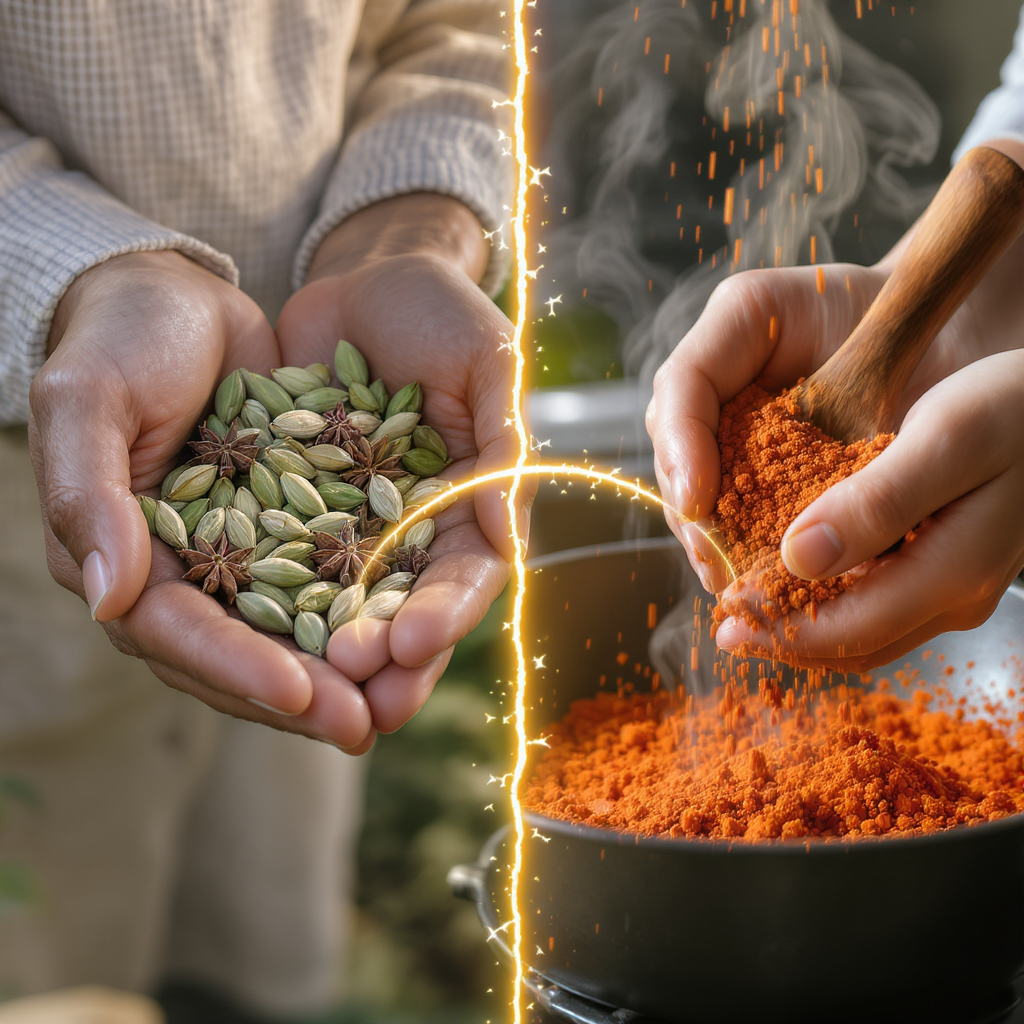
Think of it like a bustling farmers market, but digital. On one side, you have our spice farmers – from the saffron growers in Kashmir to the vanilla cultivators in Madagascar. On the other side, you have home cooks who want authentic, fresh spices and the stories behind them.
Our job? We’re the matchmakers, the translators, and the trust-builders all rolled into one. We make sure Curious Carla in Chicago can get her hands on the same cardamom that’s been grown by Ahmed’s family in Guatemala for three generations, while ensuring Ahmed gets a fair price for his incredible product.
How Do You Solve the Chicken-and-Egg Problem in a Marketplace?
Here’s the thing about two-sided marketplaces – they’re notoriously tricky to get off the ground. It’s like trying to throw a party where no one wants to show up unless other people are already there.
Farmers won’t want to work with us if we don’t have customers buying their spices. But customers won’t stick around if we don’t have amazing, authentic spices from dedicated farmers. See the problem?
We learned this the hard way during our beta launch. We had lined up some incredible farmers, but with only 50 customers, we couldn’t move enough volume to make it worthwhile for them. Meanwhile, our early customers were getting frustrated because we kept running out of popular blends.
What’s Our Step-by-Step Approach to Building Both Sides?
Step 1: Start with One Side (And Do It Really, Really Well)
We decided to focus on the customer side first. Why? Because we could control that experience completely while we figured out the farmer relationships.
During our first six months, we actually bought spices from importers and smaller distributors, then repackaged them with our educational content and freshness tracking. Not ideal for our long-term vision, but it let us prove demand and perfect our customer experience.
The numbers spoke for themselves: We hit 85% retention rate and a Net Promoter Score of 78 before we even had direct farmer relationships.
Step 2: Use Early Success to Attract the Other Side
Once we had 500 loyal customers ordering consistently, we had something valuable to offer farmers: guaranteed volume and premium pricing.
We approached our first direct farmer partnership with Raj, who grows incredible black pepper in Kerala. Instead of just saying “Hey, want to sell us pepper?” we came with data: “We have 500 customers who go through 200 pounds of premium black pepper monthly, and they’re willing to pay 40% above commodity prices for quality and story.”
Suddenly, we weren’t just another potential buyer – we were a growth opportunity.
Step 3: Create Value That Goes Beyond the Transaction
Here’s where most marketplaces stop, but we knew we needed to go deeper. We started creating value for both sides that they couldn’t get anywhere else.
For customers:
- The “Origins” video series featuring our farmer partners
- Virtual spice blending classes taught by the actual growers
- Seasonal availability calendars so customers understand why certain spices cost more at different times
For farmers:
- Direct feedback from customers about their products
- Marketing support through our social channels
- Advance payment terms that help with cash flow during growing seasons
- Weather and market insights that help with planning
Step 4: Build Network Effects
This is where the magic happens. The more farmers we work with, the more variety we can offer customers. The more customers we have, the more attractive we become to farmers. But we also started seeing unexpected connections.
Our customers began requesting specific spices after seeing them in the farmer videos. Farmers started collaborating on blend ideas after seeing what was popular with our customers. We even had a customer plan a trip to visit one of our partner farms!
What Does Marketplace Optimization Look Like in Practice?
The Saffron Success Story
When we first approached saffron farmers in Kashmir, they were skeptical. Saffron is expensive and requires educated customers. But we had data showing that 23% of our subscribers had purchased saffron from grocery stores in the past year, often getting inferior quality at high prices.
We created a “Saffron Month” campaign, educating our community about quality indicators, proper storage, and traditional uses. Sales increased 340% that month, and we were able to offer our Kashmir partners a price 15% above the export market rate.
The result? Both sides won. Customers got restaurant-quality saffron with education about its use. Farmers got premium pricing and direct customer feedback. We got a sustainable, differentiated product line.
How Does Custom Blending Change the Marketplace Model?
This one started with customer feedback. People loved our curated blends but wanted to create their own. We saw an opportunity to involve our farmers in the process.
We launched a “Blend Lab” where customers can create custom spice blends, but here’s the twist – farmers can review and suggest modifications based on their expertise. A customer’s Italian herb blend might get a suggestion from our oregano farmer in Sicily about proportions, or our star anise farmer might recommend complementary spices.
Early results: 67% of custom blends get farmer input, customer satisfaction scores for custom blends are 23% higher than our standard blends, and farmers report feeling more connected to the end-users of their products.
What Challenges Are We Still Solving?
Let’s be honest – we’re not perfect. We’re still working on:
Seasonality Management: When the cardamom harvest is delayed, how do we keep customers happy without putting pressure on farmers?
Quality Consistency: Every batch is slightly different when you’re working with small farms. How do we embrace that variation while maintaining standards?
Farmer Onboarding: The paperwork and compliance requirements for international partnerships can be overwhelming for small farmers.
Scaling Personal Relationships: As we grow, how do we maintain the personal connections that make our marketplace special?
Related Reading
- The Infinity Loop — how the loop serves both sides of the marketplace
- Your Spice Has a Passport Now — transparency as the trust mechanism
- The Cumin Test — building real relationships with farmers
- Get the Free Startup PM Toolkit — five frameworks in one downloadable guide
What’s Next for Trevean’s Two-Sided Marketplace?
We’re working on some exciting developments:
Farmer Spotlight Subscriptions: Customers can subscribe to receive seasonal selections from specific farmers, creating deeper relationships.
Harvest Funding: We’re exploring ways to help customers pre-purchase harvests, giving farmers working capital and customers guaranteed access to premium crops.
Regional Marketplace Hubs: Physical spaces in major cities where customers can meet visiting farmers, attend classes, and experience spices in person.
Frequently Asked Questions
What is a two-sided marketplace?
A two-sided marketplace connects two distinct groups who need each other — in our case, spice farmers and home cooks. The platform creates value by making it easy for both sides to find, trust, and transact with each other. Think Airbnb (hosts and guests) or Etsy (makers and buyers).
How do you solve the chicken-and-egg problem in a marketplace?
You pick one side to start with and build value for them first. At Trevean Spice, we started with farmers — building relationships, ensuring fair pricing, and creating transparency through NFC technology. Once farmers trusted the platform, we had authentic supply that attracted consumers.
How do you build trust with suppliers in a new marketplace?
Show up in person. We visited farms, tasted product side by side with farmers, and built NFC-based traceability that tells their story to end consumers. Trust isn’t a feature you can build in software — it’s earned through consistent, transparent relationships.
What’s the best side to start with when building a marketplace?
Start with the side that’s hardest to acquire. For us, that’s farmers — they’re skeptical of middlemen and need real proof of value. Once you have authentic, high-quality supply locked in, consumer demand follows more naturally.