
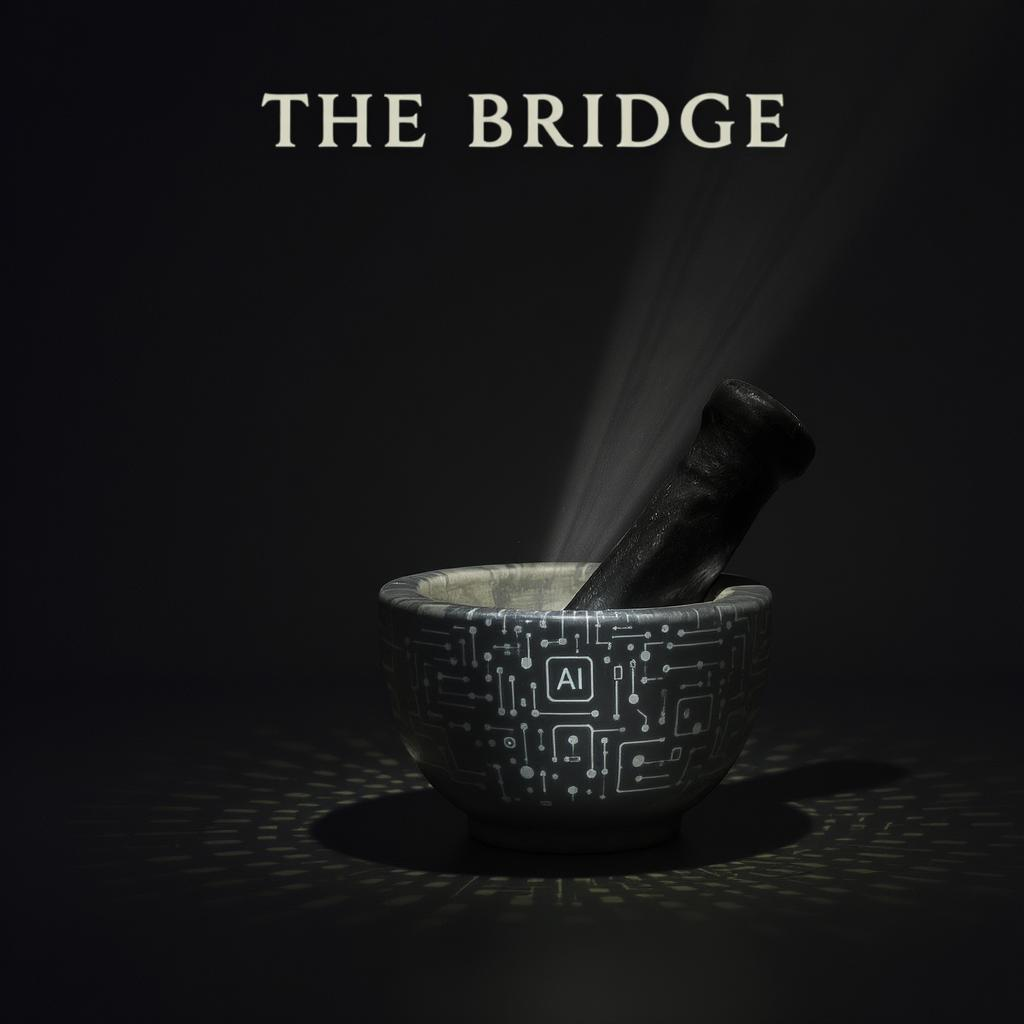
A frank look at how the next platform shift could reshape our entire go-to-market strategy
We just read something that made us question everything about our current growth strategy.
There’s this fascinating piece making rounds about how AI is about to reshape product distribution fundamentally—and honestly, it’s equal parts exciting and terrifying for a company like Trevean Spice. The author argues we’re on the brink of the next great platform shift, where ChatGPT (or someone like them) becomes the new distribution kingmaker, following the same playbook that Facebook, Google, and Apple used to build their empires.
The pattern is always the same: Open the gates, let everyone build cool stuff, then slowly squeeze until you control everything. And if this prediction is right, we might have less than two years to figure out where we stand.
The Uncomfortable Reality Check
Let’s be honest about where Trevean Spice sits today. Our entire go-to-market strategy reads like a 2019 playbook:
- Instagram/TikTok content (increasingly algorithm-dependent and expensive)
- Food blogger partnerships (great, but limited scale)
- SEO-driven content (which the article suggests is basically dying)
- Social commerce (on platforms that are becoming walled gardens)
If this analysis is correct, we’re building our house on quicksand. Every channel we’re banking on is either already controlled by a platform that’s squeezing creators, or it’s about to be disrupted by AI answer engines that keep users in their ecosystem instead of sending them to us.
That’s… not great.
The Trevean Spice AI Opportunity (If We Move Fast)
But here’s where it gets interesting. The article talks about how platforms need developers and creators to build value during their “open gates” phase. If ChatGPT is about to become the next distribution platform, there’s a massive opportunity for companies like us who understand food, cooking, and flavor.
Imagine this: You’re planning dinner and ask ChatGPT, “What should I cook tonight with the ingredients I have?” Instead of just suggesting recipes, it could say, “Based on your flavor preferences and the spices in your Trevean Spice subscription, here’s a Moroccan-inspired dish that would be perfect. You already have the harissa blend from last month’s box, and I can help you order the preserved lemons to complete the flavor profile.”
That’s not just a recipe recommendation—that’s context-aware, personalized cooking guidance that creates a seamless path to purchase. It’s the kind of integrated experience that could make us indispensable in the AI cooking ecosystem.
Where We’d Need to Pivot (And Fast)
If we’re going to play this game, we need to completely rethink our strategy:
1. Data First, Content Second
Right now, we’re focused on creating beautiful content about spice origins and recipes. That’s nice, but in an AI world, we need to be thinking about data structures. Every recipe, every flavor pairing, every customer preference—it all needs to be machine-readable and contextually rich.
2. API-First Product Development
Our current subscription model is beautifully analog: curated boxes, printed cards, physical spices. We need to build digital layers that can integrate with AI platforms. Think:
- Real-time inventory of what spices each customer has
- Flavor profile APIs that other services can query
- Recipe recommendation engines that factor in spice freshness
- Automatic reordering based on cooking patterns
3. Memory and Context Strategy
The article emphasizes that AI platforms will win through accumulated context and memory. We need to become the definitive source of a customer’s “spice journey”—what they’ve tried, what they loved, what they’re ready to experiment with next. This data becomes incredibly valuable to any AI trying to make food recommendations.
4. Integration Over Independence
This might be the hardest pill to swallow. Instead of trying to keep customers in our own app or website, we might need to make our expertise available wherever customers are cooking—whether that’s in ChatGPT, Google Assistant, or whatever comes next.
The Strategic Questions We Can’t Ignore
Are we ahead or behind the curve?
Honestly? We’re probably right in the middle, which could be perfect timing if we act decisively. We’re not so far along that we can’t pivot, but we have enough domain expertise and customer understanding to move quickly when the platform opens.
Should we build our own AI features or focus on platform integration?
The article makes a compelling case that trying to compete with the platforms is usually a losing game. Instead of building our own AI recipe assistant, maybe we should focus on becoming the best possible spice intelligence layer for other AI systems.
How do we avoid the platform graveyard?
This is the big one. The article is clear that platforms eventually turn on their developers. We need to use any platform distribution to build direct relationships and our own moats. Every ChatGPT interaction should somehow strengthen our direct customer relationship, not replace it.
The Uncomfortable Truth About Timing
If the prediction is right about a 6-24 month window, we need to be making these decisions now, not next quarter. The companies that win platform shifts aren’t the ones with the best products—they’re the ones who see the shift coming and position themselves early.
But here’s what’s keeping us up at night: What if we’re wrong? What if we pivot our entire strategy toward an AI platform play that never materializes? What if ChatGPT doesn’t become the distribution kingmaker? What if regulation kills the whole thing?
The honest answer is that we don’t know. But the article makes a compelling case that some version of this shift is inevitable, even if the specific platform is different. The brands that survive are the ones who prepare for multiple scenarios while staying true to their core value proposition.
Our Core Bet
Here’s what we’re thinking: Trevean Spice’s fundamental value isn’t in our current distribution channels or even our specific product format. Our value is in understanding flavor, sourcing expertise, and the ability to guide people through culinary exploration.
If we can make that expertise portable—if we can be the “spice intelligence” layer that makes any cooking experience better—then we can win regardless of which platform emerges dominant.
But that means some uncomfortable changes to how we think about our business:
- Less focus on beautiful packaging, more on data richness
- Less emphasis on our own app, more on API integrations
- Less control over the customer experience, more trust in platform partnerships
- Less brand-building through content, more value-building through utility
The Question We’re All Avoiding
The elephant in the room is whether food e-commerce is even a category that benefits from AI platform distribution. Maybe cooking is too tactile, too personal, too ritual-driven to be mediated by chatbots.
Or maybe that’s exactly wrong. Maybe the complexity of cooking—the overwhelming choices, the intimidation factor, the planning friction—is exactly what AI assistants are best positioned to solve.
We honestly don’t know yet. But the cost of being wrong in either direction feels asymmetric. If we ignore this shift and it happens, we’re stuck with increasingly expensive traditional marketing channels and no platform distribution. If we prepare for it and it doesn’t happen, we’ve built a more data-rich, API-enabled business that’s probably stronger anyway.
What We’re Doing Next
We’re not betting the company on this prediction, but we’re not ignoring it either. Over the next few months, we’re going to:
- Start building our spice and recipe data in structured, API-ready formats
- Explore early partnerships with cooking-focused AI applications
- Test small integrations with existing platforms to learn the dynamics
- Build systems to capture customer context and preferences more systematically
- Keep a close eye on which platforms are opening their gates to food and cooking developers
The reality is that platform shifts are both opportunity and existential threat. The companies that thrive are the ones who see them coming and position themselves to ride the wave rather than get crushed by it.
Are we ahead or behind the curve? Ask us again in six months. But at least we’re asking the right questions.
What do you think? Are we overthinking this, or not thinking about it enough? We’d love to hear from other food brands grappling with these same questions. The future of food commerce might be getting written right now, and we’re all figuring it out together.